
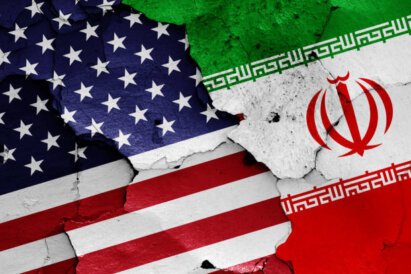
US–Iran Conflict 2026: Latest Developments, Regional Impact, and Global Response
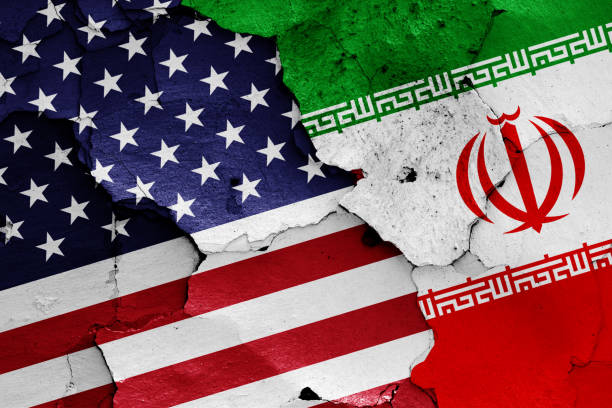
US–Iran Conflict 2026: Understanding the Current Situation
The relationship between the United States and Iran has remained tense for decades, with disputes over regional security, military activities, nuclear development, and geopolitical influence. Recent military actions and diplomatic exchanges have once again brought the two nations into international headlines, raising concerns about stability in the Middle East.
US–Iran Conflict 2026
What Happened?
Recent developments have included military strikes, heightened security measures, and strong political statements from both sides. While neither country has declared a full-scale war, the exchange of military actions has increased tensions across the region and prompted global calls for restraint.
Governments around the world continue to monitor the situation closely, encouraging diplomatic dialogue to prevent further escalation.
US–Iran Conflict
Why Is It Important?
The Middle East plays a crucial role in global energy supplies and international trade. Any conflict involving major regional powers can have far-reaching consequences, including:
- Rising oil and fuel prices.
- Disruptions to international shipping routes.
- Increased security concerns across the region.
- Greater uncertainty in global financial markets.
International Response
The United Nations and several countries have urged both sides to avoid further military escalation and pursue diplomatic solutions. Many international leaders have emphasized the importance of dialogue, regional stability, and the protection of civilians.
Economic Impact
The uncertainty surrounding the conflict has affected:
- Global crude oil prices.
- Stock market volatility.
- Airline routes and travel advisories.
- Investor confidence in international markets.
What Could Happen Next?
Experts believe several scenarios remain possible:
- Continued diplomatic negotiations.
- Limited military responses.
- International mediation efforts.
- De-escalation through ceasefire agreements.
The situation remains fluid, and developments may change rapidly.
Conclusion
The US–Iran conflict is a significant international issue with implications that extend beyond the Middle East. While military tensions have raised global concerns, diplomatic engagement remains the preferred path for reducing risks and promoting long-term regional stability.
This article is based on publicly reported developments available at the time of publication. Readers are encouraged to follow official government statements and reputable international news organizations for the latest updates.